
EV chargers
Sigenergy
AC charging coordinated with your home energy plan, with solar-aware options in a supported Sigenergy setup.
Explore Sigenergy →
Home EV charging designed around your vehicle, solar generation and daily routine. Explore our Sigenergy, GoodWe and Tesla options across Bendigo and surrounding communities.
AC charging coordinated with your home energy plan, with solar-aware options in a supported Sigenergy setup.
Explore Sigenergy →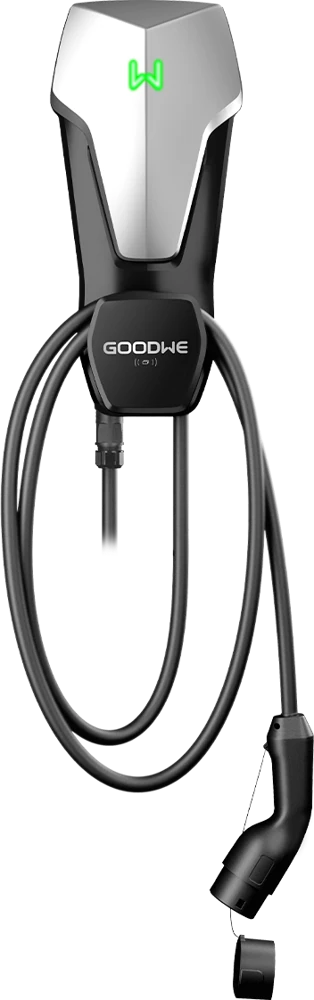
Smart AC charging with solar integration and load-management options in a compatible GoodWe system.
Explore GoodWe →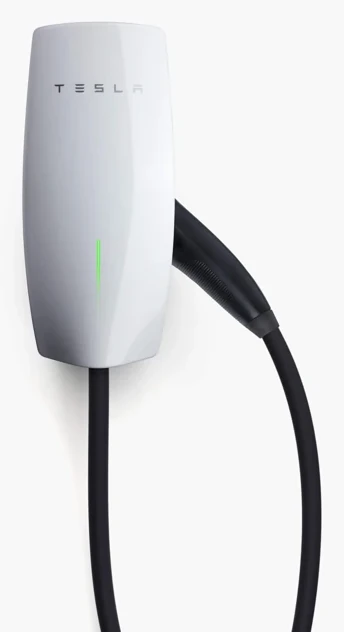
Type 2 home charging for compatible Tesla and non-Tesla vehicles, with app scheduling and supported power management.
Explore Tesla →These are Unified Solar’s focus brands, rather than an independent ranking of every Australian charger.
A home AC wall charger safely controls the supply to a connected vehicle. The car’s onboard charger converts that AC into DC for its battery.
A suitable single-phase unit is often around 7 kW; three-phase options can be 11 or 22 kW. Your vehicle may accept less than the wall unit’s maximum.
Scheduling can align with a tariff window. Solar-aware charging needs compatible monitoring and controls to follow surplus generation.
| Question | Why it matters |
|---|---|
| How far do you drive? | Daily energy demand and time parked matter more than refilling the whole battery every night. |
| What can your car accept? | Check the vehicle’s single- and three-phase AC limits. DC rapid-charge figures do not describe home AC charging. |
| When is solar available? | Surplus charging works best when the car is at home during generation hours. Cloud and other loads change the available power. |
| Do you need load management? | A meter or sensor can let a supported charger reduce output when the home approaches its supply limit. |
| Where will the unit go? | Cable length, parking direction, weather exposure and access affect daily convenience. |
For illustration, adding 40 kWh at a steady 7 kW takes about 5.7 hours before losses and charging limits. The same 22 kW charger on an 11 kW-limited car cannot exceed that car’s AC acceptance.
Surplus modes can reduce grid energy used by the car, but depend on sunshine, the vehicle’s charging behaviour and installed system compatibility.
Dynamic load management differs from sharing power between several chargers. We specify which function your installation provides.
Decide whether the EV may draw from home storage, and whether charging should stop during an outage to preserve essential energy.
Bidirectional charging is a separate capability. Vehicle-to-home and vehicle-to-grid depend on the vehicle, charger, system software and approvals. A Type 2 AC charger should not be sold as automatic home backup.
Checked 25 October 2026. Original Unified Solar guidance; specifications and features are model dependent.
Solar, storage, EV charging, off-grid power or hot water. Tell us what you have in mind.
0428 280 294 ↗Your enquiry is saved securely for our team to review. You can download a copy of your brief or call us to discuss your plans.